
















Neurotheology: The Neuroscience of Spiritual Experience
- by uPSYs Education
- September 30, 2026

What’s New
Transpersonal Psychotherapy: Bridging Spirituality and Clinical Psychology
- April 24, 2025
- 7 minutes read
Focus
STAY CONNECTED
POPULAR NEWS
Eysenck’s Personality Theory Explained: The Biological Basis of Human Behaviour
- by uPSYs Education
- September 15, 2026
- 75 Views
Attribution Theory Explained: How We Interpret Behavior and Make Judgments
- by uPSYs Education
- March 30, 2026
- 937 Views
The Bystander Effect : Why do people hesitate to help in
- by uPSYs Education
- March 8, 2025
- 1798 Views


Latest Articles
Psychological Conceptualisation: How Do Psychologists Understand a Person’s Difficulties?
A person may seek psychological help for difficulties like anxiety, anger, avoidance, prolonged depression, or merely changes in his/her behaviour..
- by uPSYs Education
- October 2, 2026
Mary Whiton Calkins: The Harvard PhD She Earned but Never Received
William James called the exam Harvard’s most remarkable doctoral exam. Over the years, he reiterated his belief more than once.
- by uPSYs Education
- October 1, 2026
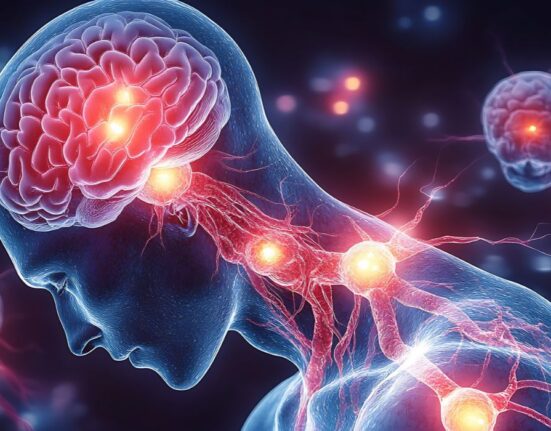
Neurotheology: The Neuroscience of Spiritual Experience
When meditating, do you feel completely tranquil? At prayer, do you get a sense of connection with a power greater.
- by uPSYs Education
- September 30, 2026
Understanding Monotherapy in Mental Health
Imagine a physician giving a prescription for depression, epilepsy, hypertension or another chronic illness that includes only one medicine, where.
- by uPSYs Education
- September 29, 2026
Plutchik’s Wheel of Emotions: Understanding the 8 Core Human Emotions
Emotions are a pattern of complex interactions of physiological, experiential, and behavioural patterns. The nature of emotions depends on the.
- by uPSYs Education
- September 26, 2026

Featured Post
Neurotheology: The Neuroscience of Spiritual Experience
- by uPSYs Education
- September 30, 2026